Published : 2023-03-31
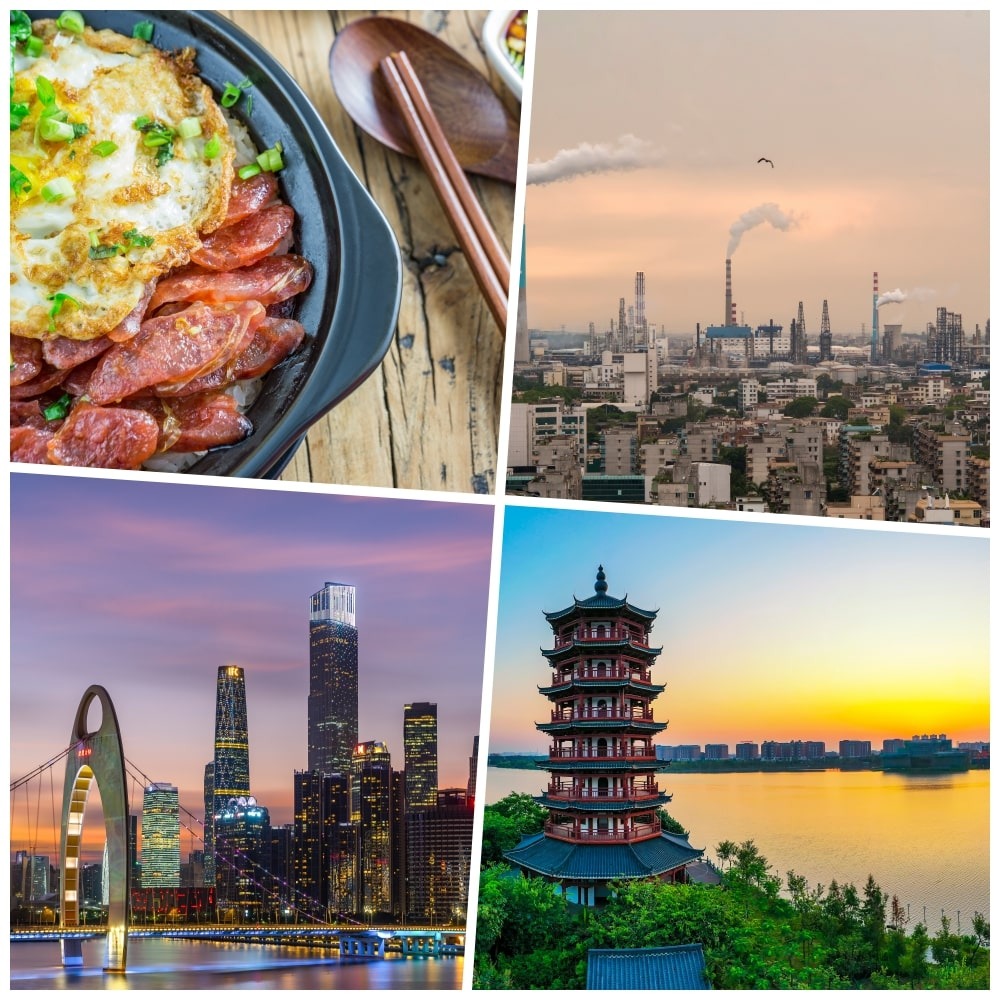
If one word could capture Guangdong, it would be "most". Over more than 40 years of reform and opening up, the province has grown from China's gateway to the world into its largest economy and most populous province.
But beyond its economic strength and demographic weight, what else makes Guangdong, neighbouring Hong Kong, so distinctive?
Why is it named "Guangdong"?
Guangdong is also known as "Yue" (粵). References to the region date back to the pre-Qin period, when texts such as Lüshi Chunqiu collectively referred to the areas of present-day Guangdong as "Baiyue" (百越).
The name "Guangdong" can be traced to the Han dynasty, when Emperor Wu named Guangxin County with the idea of "opening up the Yue lands and widely spreading grace and trust".
In the Song dynasty, the Guangnan Circuit was divided into eastern and western sections: the area east of Guangxin became Guangdong, while the area to its west became Guangxi. This is how Guangdong got its name.
Geographical features
Guangdong lies south of the Nanling Mountains in South China and is one of the country's coastal provinces.
It borders Fujian to the east, Jiangxi and Hunan to the north, Guangxi to the west, and the South China Sea to the south, while Hong Kong and Macau sit on the eastern and western sides of the Pearl River estuary.
The province covers 179,800 square kilometres of land, including 1,916 square kilometres of islands. It has 1,431 islands of various sizes, ranking third in China after Zhejiang and Fujian.
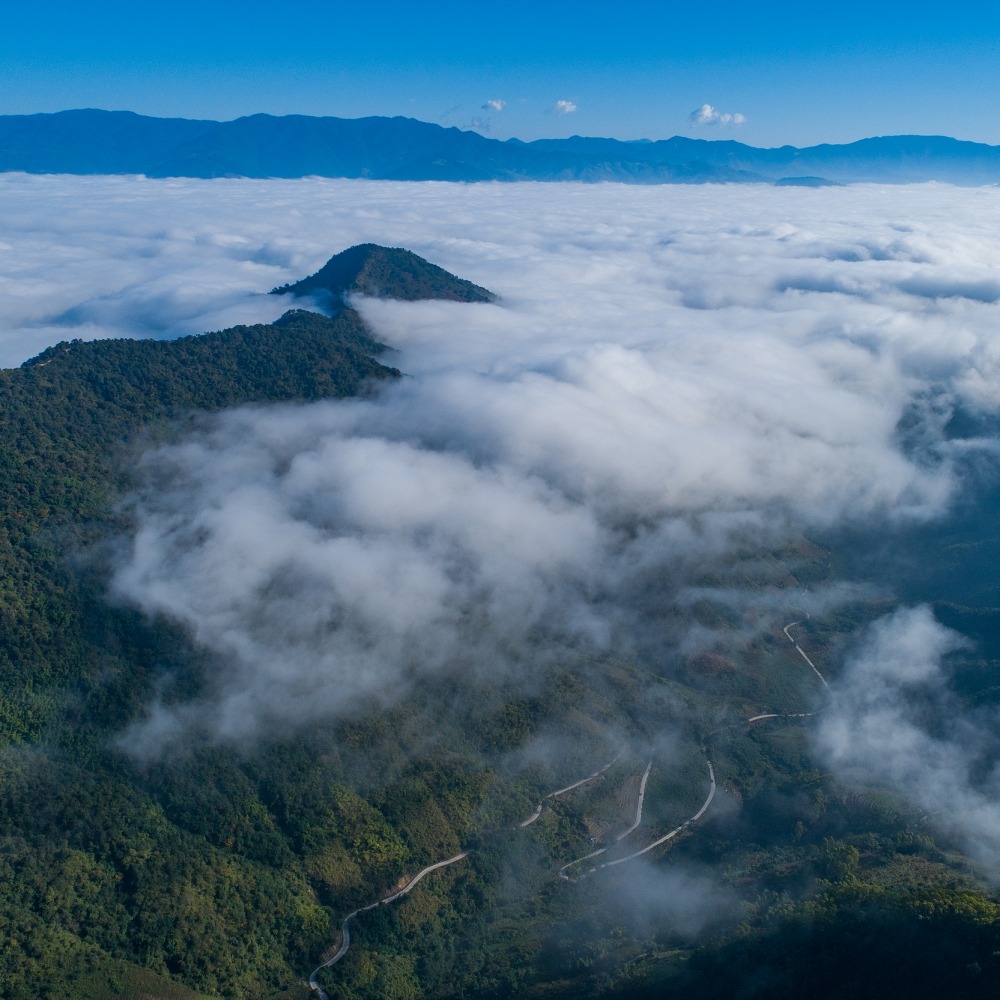
Guangdong's terrain generally slopes from north to south, and its landscape is notably varied.
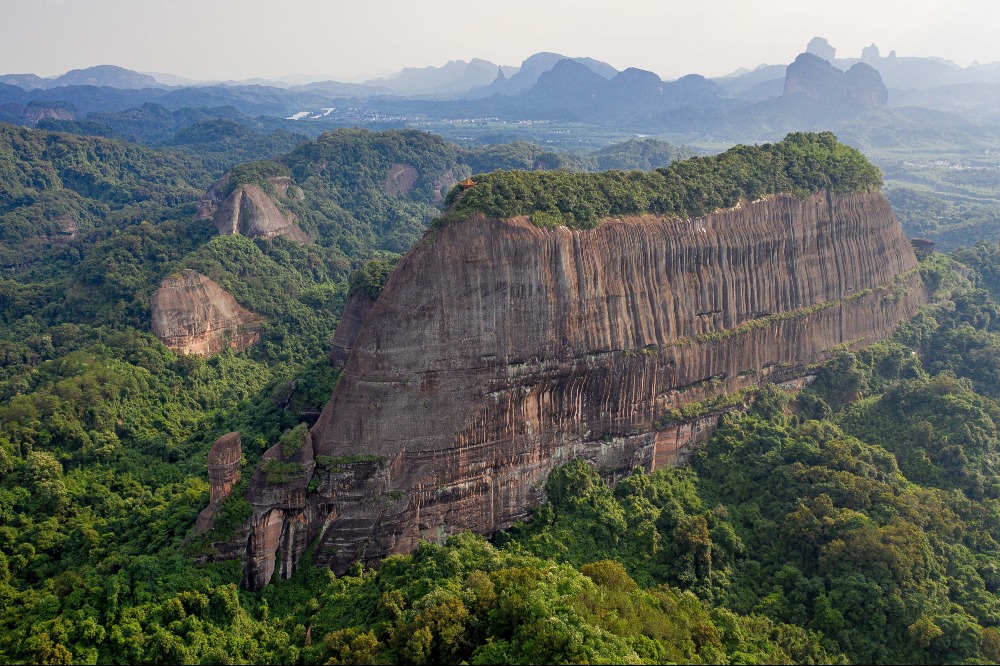
It can be broadly divided into four regions: the fertile and largely flat Pearl River Delta, often known as China's "southern gateway"; eastern Guangdong, with more hills and uplands; northern Guangdong, famed for its Danxia landforms; and western Guangdong, which faces Hainan across the strait.
Among them, Danxia Mountain in northern Guangdong and Huguangyan in western Guangdong were both later designated as UNESCO Global Geoparks.
Climate and hydrology
Guangdong Province is located in the south and has a tropical and subtropical monsoon climate. Therefore, it has four distinct seasons throughout the year, with hot, rainy summers and mild, dry winters. Most areas do not see ice or snow.
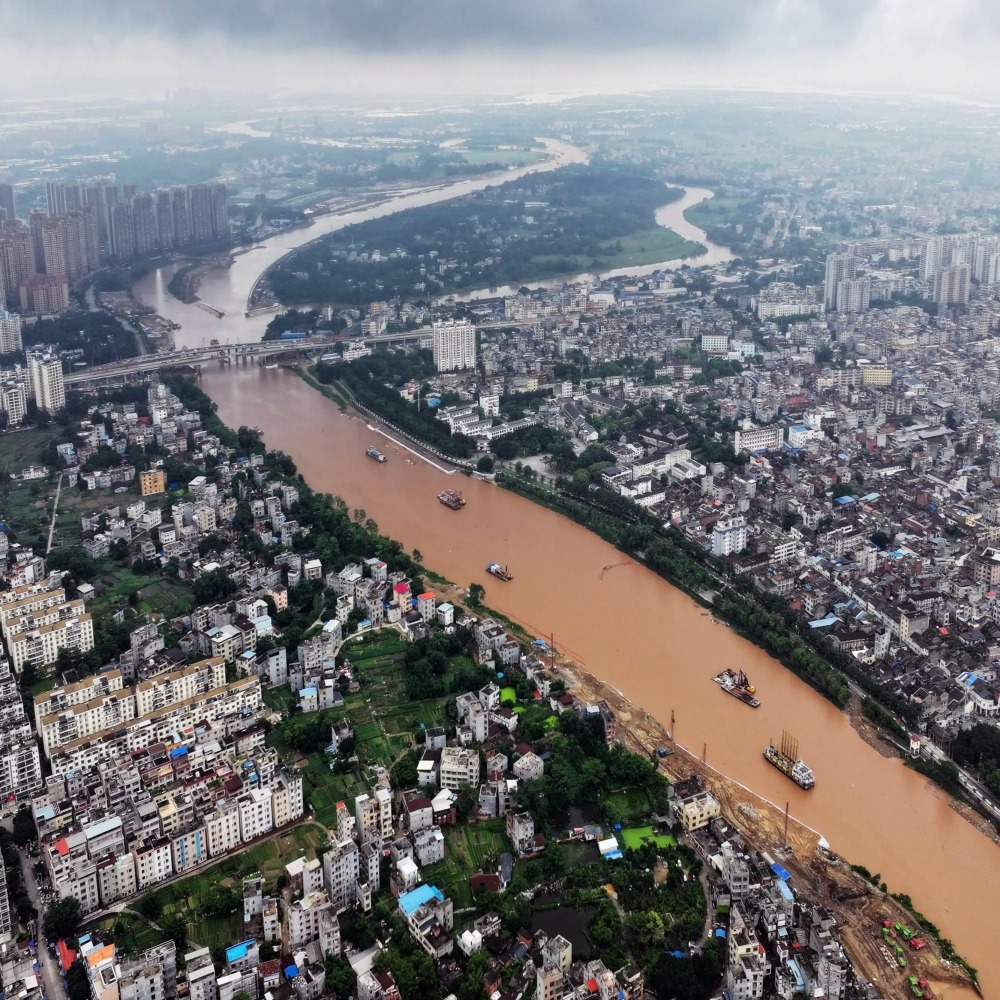
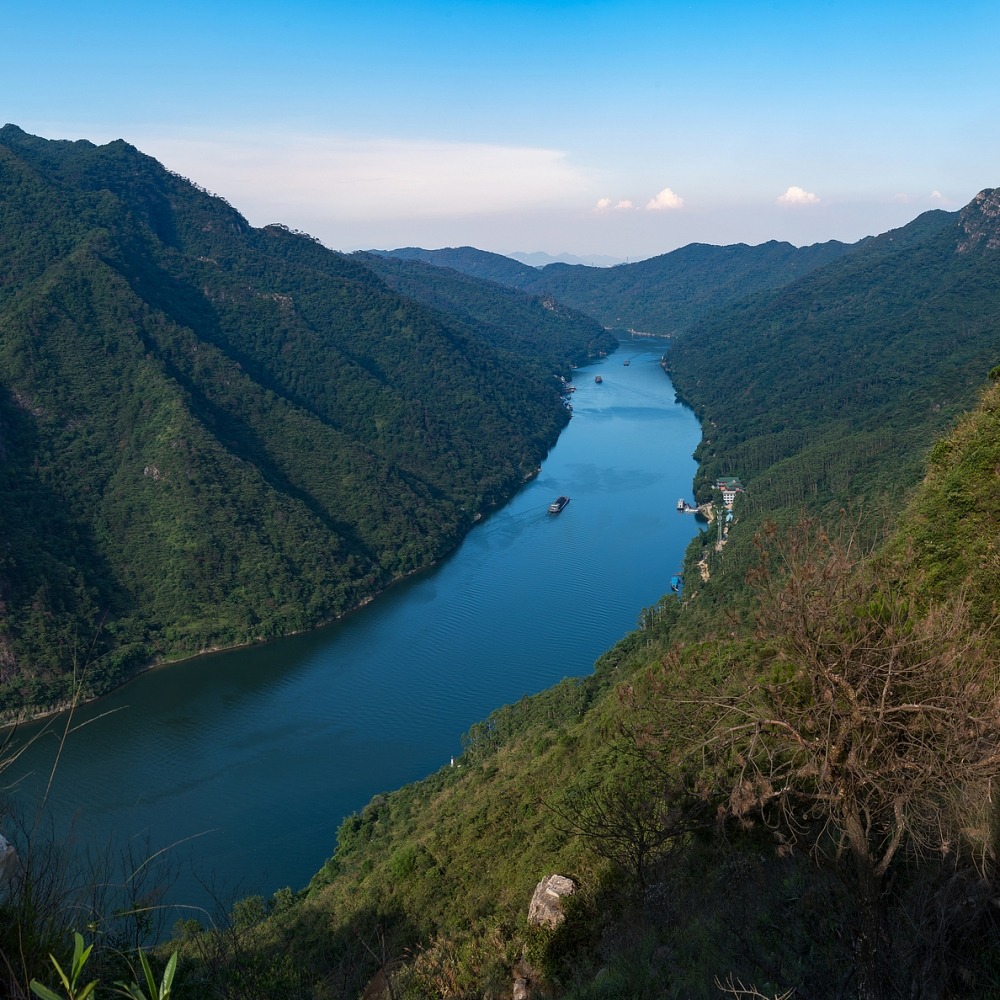
Due to abundant rainfall and the province's mountainous terrain, which is conducive to river formation, its hydropower resources are also quite rich. Guangdong Province has a dense network of rivers, with a total of 1,343 rivers of various sizes.
The longest among them, the Pearl River, is 2,122 kilometres long and is the third-largest river in our country.
Administrative divisions
Guangdong Province has 21 prefecture-level cities under its jurisdiction.
Guangzhou is the provincial capital and a sub-provincial city, and Shenzhen is another sub-provincial city. The entire province of Guangdong has a total of 122 county-level administrative divisions, including 65 municipal districts, 20 county-level cities, 34 counties, and 3 autonomous counties.
Population
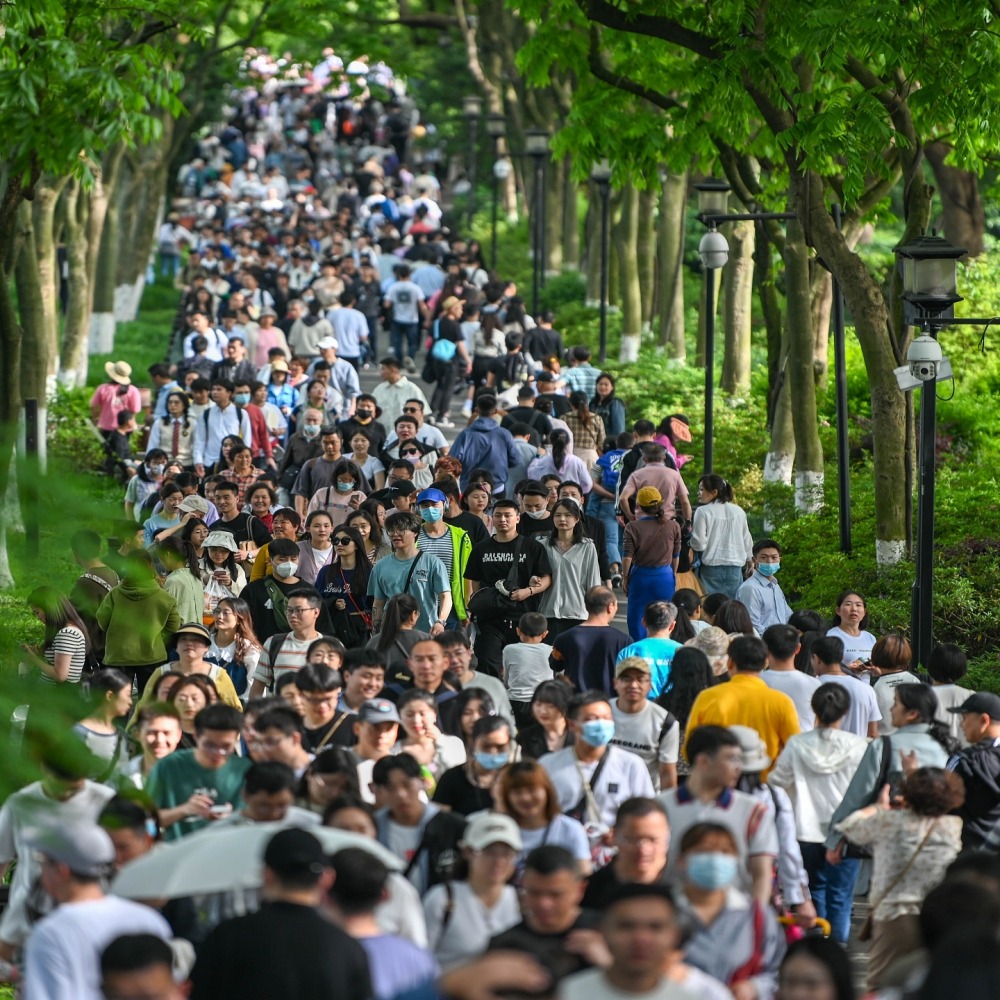
As China's most populous province for fifteen consecutive years, Guangdong's population should not be underestimated.
Since the beginning of the Reform and Opening-up, Guangdong's economy has taken off at high speed, attracting many migrants to move there. As of the end of 2021, the total population of Guangdong Province reached 126 million people.
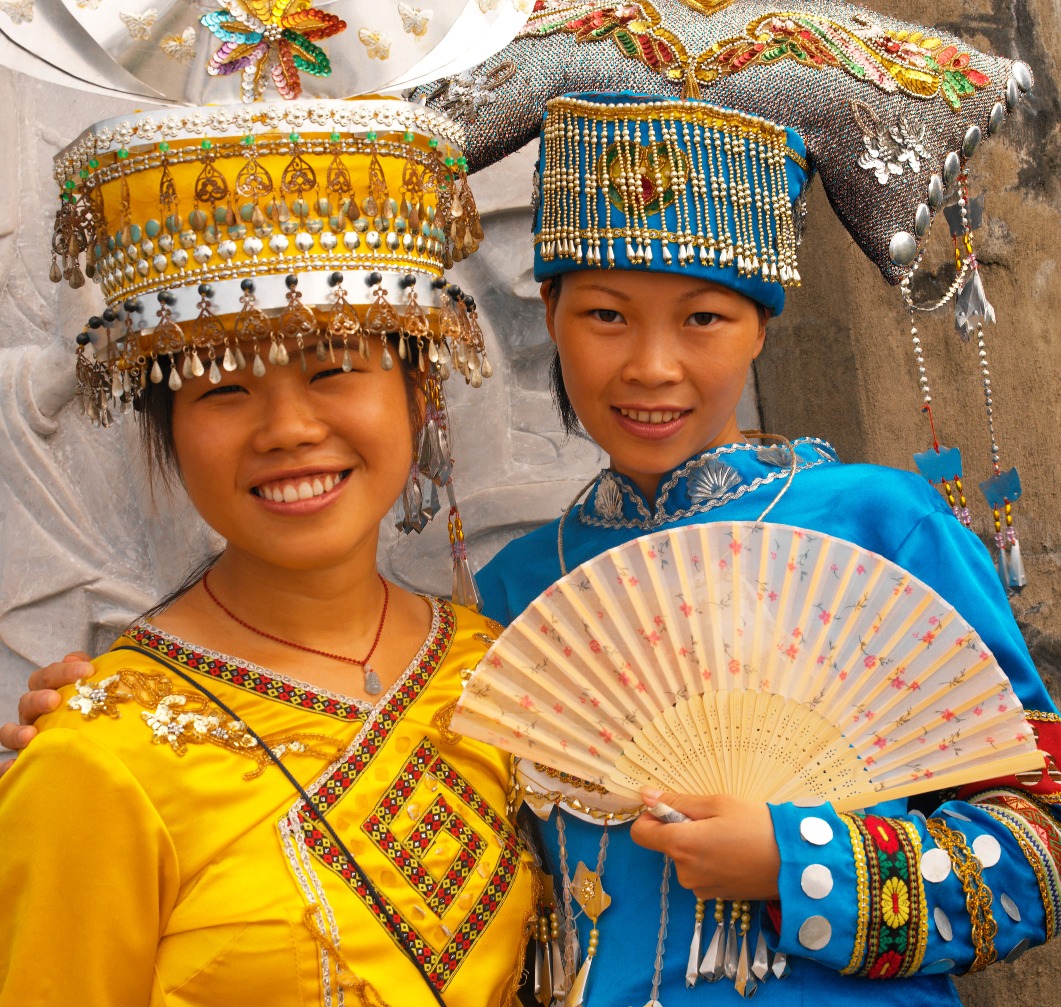
In terms of ethnicity, as Guangdong was the land of the Baiyue in ancient times, its ethnic distribution is very broad. It is now the province with the most complete representation of members from all 56 ethnic groups.
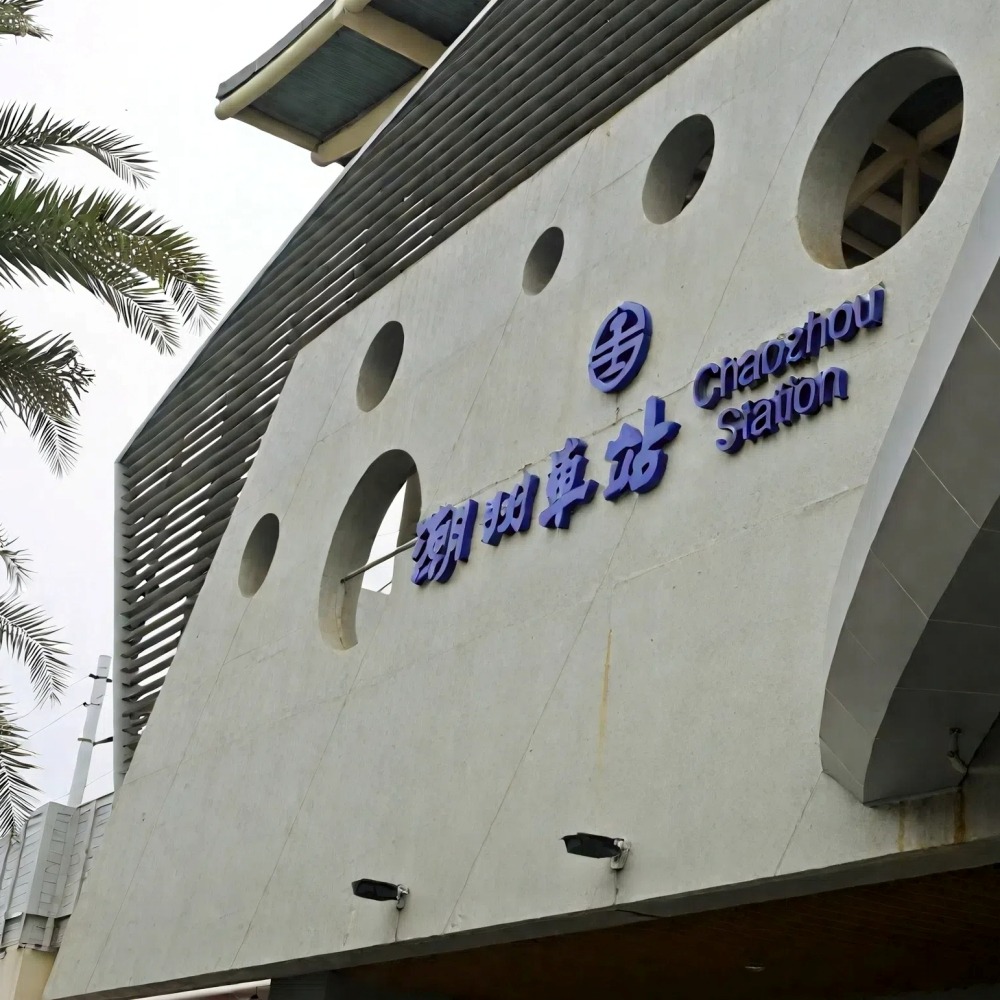
Currently, Guangdong Province is predominantly populated by Han Chinese, who can be divided into three main ethnic groups: Guangfu, Hakka, and Chaoshan. There are also ethnic minorities such as the Yao, Zhuang, and Miao people living there.
Due to its ethnic diversity, the languages of Guangdong Province also have their own unique characteristics.
In addition to the Yao, Zhuang, and Northern Guangdong vernaculars spoken in the northern and eastern regions of Guangdong, Cantonese, Hakka, and Chaoshan dialects are also spoken within the province.
Economy
Since the 1980s, China implemented the Reform and Opening-up to attract foreign enterprises to invest in the country, and as a pilot area for the Reform and Opening-up, Guangdong's economy has developed by leaps and bounds.
As of 2022, Guangdong Province's Gross Regional Product reached 12.91 trillion RMB, ranking first in the country for 34 consecutive years, and has surpassed neighbouring regions such as Hong Kong and Taiwan, and even countries like Singapore and South Korea, becoming the province with the largest and most developed economy.
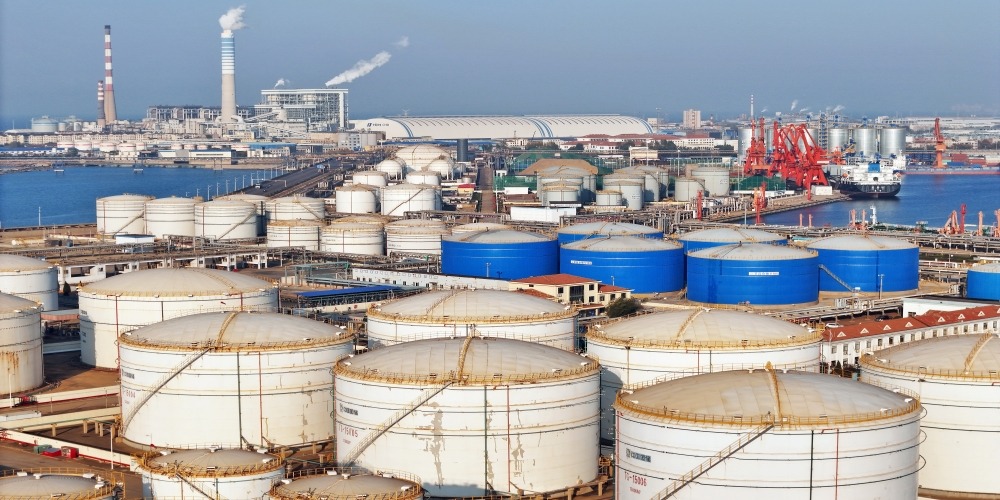
Guangdong Province has a diverse industrial development. In addition to the booming service industries in Guangzhou, Shenzhen, and Zhuhai, Guangdong Province's industrial strength is also considerably strong.
As an important industrial base, Guangdong Province not only develops light manufacturing industries such as computer, communication and other electronic equipment manufacturing, but in recent years has also invested significant resources in developing heavy industries and high and new technology industries.
In addition, Guangdong Province is also an export processing base for products, exporting numerous electrical and electronic products, computers, and other equipment globally, making a significant contribution to promoting national economic growth.
Read more: GBA at a Glance|Understand Guangzhou in 5 figures
Tourism
Guangdong Province has a long history and unique cultural characteristics, attracting many people to travel there.
In Guangdong, you can pass beneath an ancient tower and soak up the everyday charm of a city with a history of more than a thousand years.
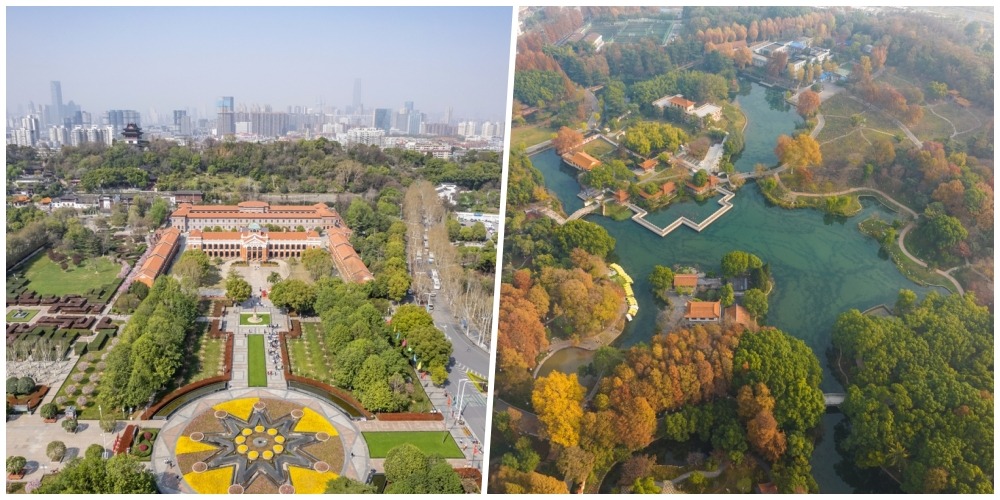
The province is also home to many major national heritage sites, including Sun Yat-sen Memorial Hall in Guangzhou, which has witnessed the city's changing fortunes; the Shajiao Fort in Dongguan, tied to the Opium War and the destruction of opium at Humen; the Kaiping Diaolou, with their distinctive blend of Chinese and Western architectural styles; and the Whampoa Military Academy, one of the best-known military schools in modern Chinese history.
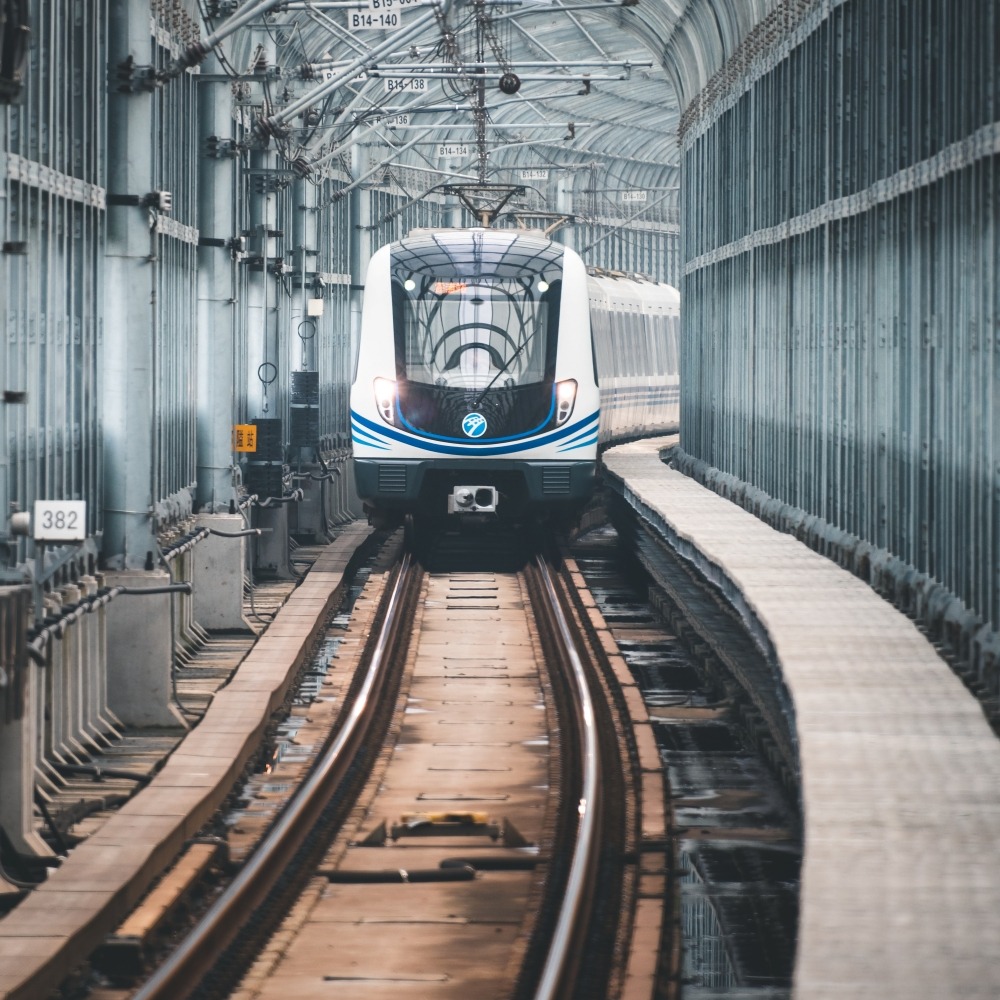
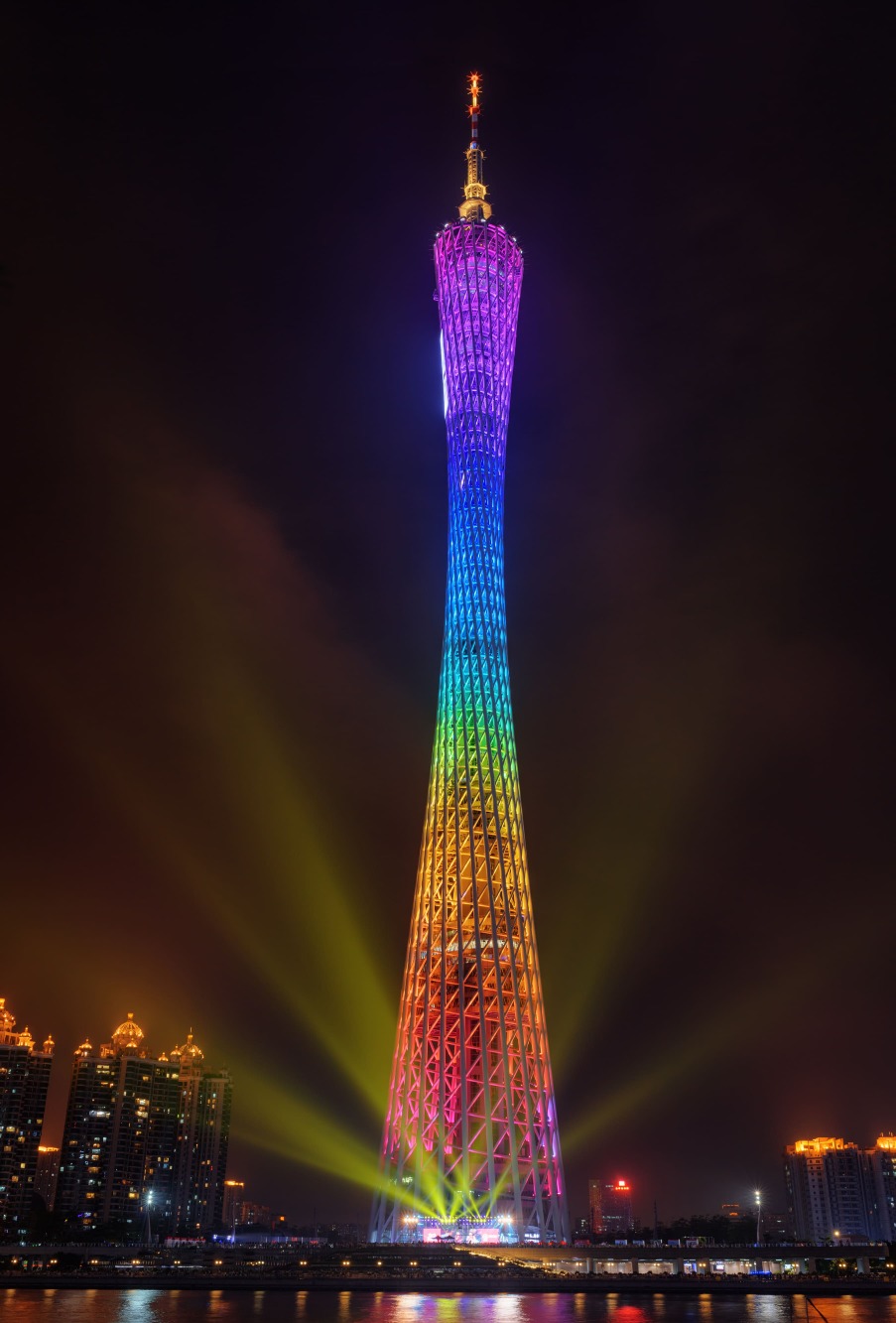
You can also feel the pulse of modern Guangdong. Take the metro to Guangzhou Tower, nicknamed the "slender waist", which once ranked as the world's third-tallest tower; visit OCT East for its natural scenery and thrill rides; or head to the Guangdong Museum to admire its collection of paintings, calligraphy and ceramics, and experience the rich flavour of Lingnan culture.
Guangdong also boasts an abundance of natural scenery that draws visitors from far and wide, from the Seven Star Crags in Zhaoqing, often dubbed "Little Guilin", to Danxia Mountain in northern Guangdong, famed for its striking red cliffs once described as "as richly coloured as rouge, as radiant as glowing clouds".
Also among its best-known scenic spots is Dinghu Mountain in Zhaoqing, whose peaks resemble ancient tripods in the distance and which combines hiking, sightseeing and pilgrimage in one destination.
Read more: GBA at a Glance|How was GBA established?